Debatable: live online debates with real people

Pick a side. Say it out loud.

Find someone who disagrees with you.

Pick a topic, get matched, and settle it out loud.

Meet your match Watch Predict Debate AI
How it works Discord
  1. You debate anything with someone who disagrees, or someone ranked near you.
  2. An AI judges it.
  3. You get a ranking on the leaderboard.

Record your rounds. You can make money from us with the recordings.

JudgeThe judge is deciding
Decision
Pro wins 88 – 62
Who will win?
50¢
Bet on a round →

Nobody has taken the other seat yet. Win rounds and it could be you.

None confirmed, none affiliated, none endorsing.

LIVE Happening now Watch page
Waiting for the camera

1Match

One person. One question.
A different point of view.

Meet someone, agree on a question, and take a side. Talk it through together. The judge explains the decision when you finish.

  1. MeetYou both accept the match.
  2. ChooseAgree on a topic and your sides.
  3. TalkAnswer each other's argument.
Match me with a stranger
Live roundCasual 1v1

Should dating apps reveal how they rank people?

YouPro
VS
A strangerCon
Turn2 of 4
On the clock03:47
InterruptionsOpen

2Verdict

The AI judge decides who won.

When the round ends, the AI judge gives its decision within seconds: who won, a score out of 100 for each side, and the reasons, quoting what was actually said. The scoring rules are public, so you can check every call.

  • Decided onWhat both sides said
  • Scoring rulesPublished before the round
  • TurnaroundSeconds after the last speech
See a real decision Why you can trust it
Decision · Round 1AI judge · published rules
Pro wins88 – 62 points
The argument42 / 50
Responses to the other case31 / 35
Structure and clarity15 / 15

Reason for decision

The round turns on whether the harm Pro describes outweighs the benefit Con defends. Pro names three concrete harms and shows why each is likely, not just serious; Con's best point goes unanswered until the final speech, which is too late to…

3Leaderboard

Your score goes on the board.

Every judged round uses the same 100-point scale, so a score means the same thing every time. Only your best round counts, and live and AI rounds are marked separately.

  • ScaleArgument score out of 100
  • EntryBest per person
  • VisibilityPublic, no account needed
See the leaderboard
Casual 1v1 boardBest score / 100
#NameRoundScore
1Priya S.1v1 · Live98
2Marcus T.1v1 · Live97
3Elena V.1v1 · AI96
4Dhruv M.1v1 · Live95

4The show

Get near the top and you could debate a creator.

When a streamer or creator wants to debate someone, we pick from the top of the leaderboard. If the topic and the timing work for both sides, one of those people gets the seat.

  • QualifyRise to the top of the board
  • SelectRank, topic, and availability
  • Live resultJudge decision and audience response
See creator matchups
Creator matchLive on the creator's channel
#1Leaderboard finishEnters the challenger pool
CreatorHosts the live audience
VS
Ranked challengerSelected from the board
When the round ends Judge decisionWinner and reasons Crowd swingWho moved the room

5Your shot

Win enough and you might argue with a streamer.

Doing well on the leaderboard is how you get considered. Keep winning judged rounds and moving up. When a creator matchup fits a topic you argue and a time you can make, we invite someone from the board.

  • RankRise on the public leaderboard
  • FitTopic + availability line up
  • InviteSelected challengers go live
Climb the leaderboard

A high rank doesn't guarantee an invite. It depends on whether a creator takes part, the topic, and who can make the time.

Creator challengeFrom leaderboard to live
Leaderboard successPuts you in consideration
Style fitThe way you argue suits the show
AvailabilityBoth sides can make the live slot
InvitationSelected challengers get the seat
BroadcastCreator channel + live judging

A high finish gets you considered, but it doesn't guarantee a matchup. It comes down to whether the creator is free and the topic fits.

Debatable.

Debate an AI or a real person in timed rounds. An AI judge decides who won, and says why.

still building. updating website every day.

Founding story + community Start debating
Live beta Real opponents AI decision on every round
Sign in or create account
Live round · AI judge

An AI judge explains the result.

Who won, a score out of 100 for each side, and the reasons, quoting what was actually said. You can check the scoring rules, compare the decision with the transcript, and appeal.

Live · 2 people Two people on a Debatable live round video call
AI judge · Decision · Round 1 ← Back to board
Pro wins
Social media has done more harm than good
Pro · You
88
Score out of 100
Con · Guest
62
Score out of 100
Reason for Decision

The round turns on the contest between Pro's structural-harm framing and Con's network-value defense. Pro establishes three harms: measurable declines in adolescent mental health (NIH longitudinal data), algorithmic amplification of misinformation during election cycles, and the erosion of local community institutions as attention moves to platform feeds.

Con responds with the network case: crisis coordination in Ukraine, Iran, and Hong Kong; cross-border reach for diaspora and minority communities; small-business marketing access that traditional media never offered to anyone without a budget.

The judge weighs on three axes: reach, persistence, and counterfactual access. On reach, both sides land hits. On persistence, Pro wins clearly. Once attention infrastructure is captured, it doesn't return to local institutions. On counterfactual access, Con makes the strongest move of the round: the benefits have no real substitute (no print equivalent for a Tehran protestor), while many of the harms have substitutes (regulation, design changes, age-gating).

Pro wins because the mitigations Con leans on don't exist yet and the harms compound while we wait. The verdict is narrow. Pro's framing of 'structural' was largely conceded by Con, which is the only reason this isn't closer.


Why trust it

Three AI judges, from three different companies.

Each model judges independently. Two matching votes decide the round. A missing judge is disclosed on the ballot. See the models and scoring rules.

The scoring rules are published before you speak.

Every decision stamps a fingerprint of the exact criteria it was made under, so nobody gets judged by rules that were edited after the round.

A person hears the appeal.

Either side can appeal within 72 hours on six stated grounds. A human reviewer decides it, never the model that made the call.

We earn the same whoever wins.

Debatable takes no fee tied to who wins, so the result doesn't change what we make.

Open to critiques. If you can build a round where the judge rewards the worse argument, we want it. The strongest critiques get run against the live panel, and the results are published whether they hold or not. Send feedback on a decision

Read the full criteria Read the judging charter The criteria and the charter are public, and you don't need an account to read them. You can check that the criteria that judged a round are the same ones linked here.

Reviews

What people have said

The real gap between circuits isn't talent, it's access to quality practice. Debatable closes it. The AI argues back at full strength, and the ballot tells you exactly where the round was won or lost.
Mukudzeiishe Madzivire Captain, Zimbabwe World Schools Team · Columbia University
Proof that AI can sharpen critical thinking rather than replace it. You can tell how much thought went into every layer, from case generation to the objectivity of the judging.
2025 Public Forum National Champion NSDA Nationals
In four years of British Parliamentary, I'd never seen a tool able to summarize, refute, and analyze high-level argumentation until I used Debatable. It would have made a real difference in my prep for international majors.
Arjun Raman WUDC Octofinalist · Princeton IV finalist
In a world where we can outsource our thinking to AI, we need more tools to keep us sharp. Debatable is the chess.com of debate.
Pratyush Sharma Debatable member

The judge works from published scoring rules, and either side can appeal to a person.

Frequently asked questions

Questions about joining, rounds, and judging.

Something else on your mind?

Getting started

What is Debatable?
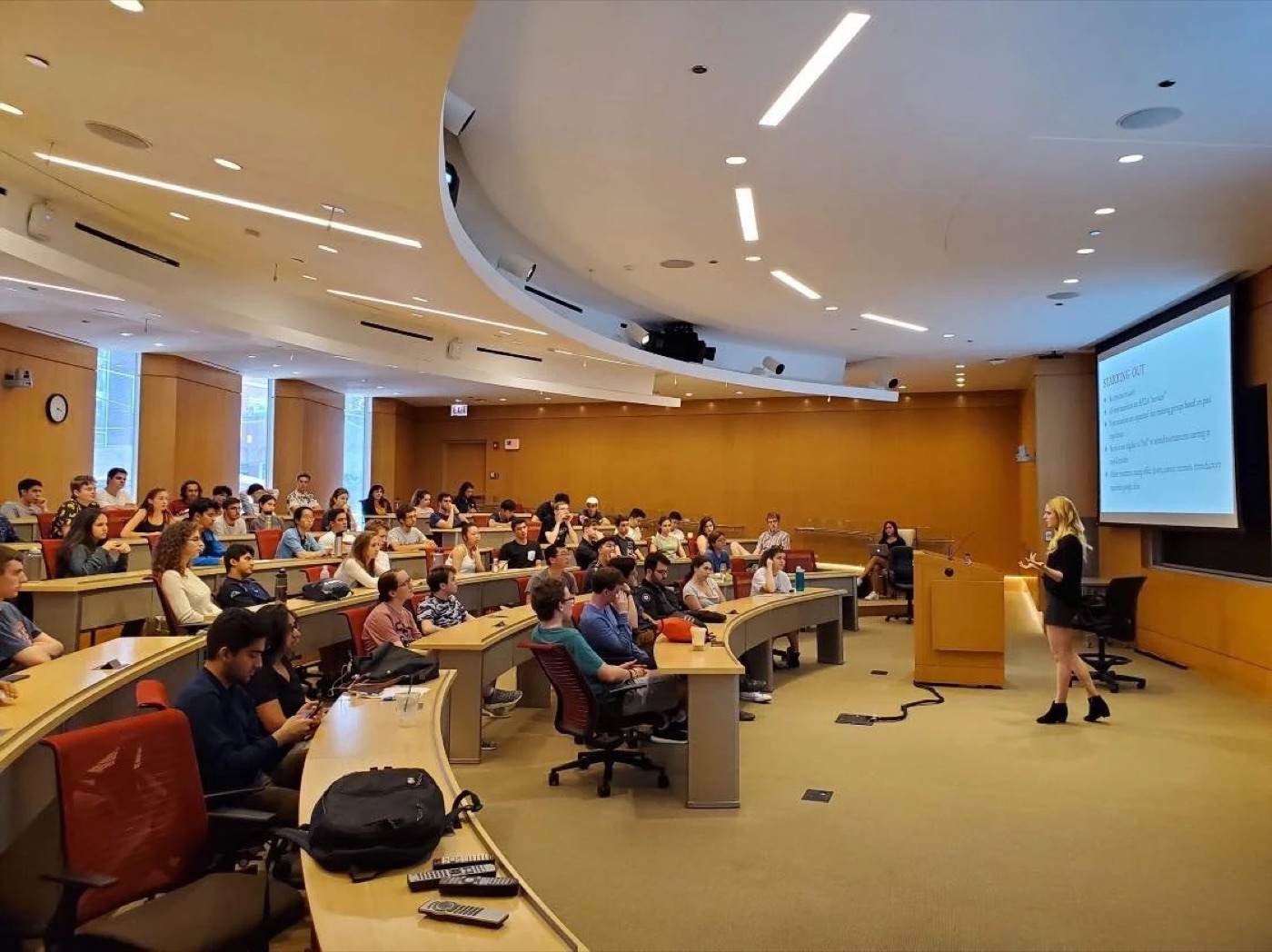
People listening and taking notes during a round

A place to meet someone with a different opinion, agree on one question, and argue it out one-on-one. Take a side and give the other person something to answer.

Find a person to debate, or try a voice round with the AI.

I've never debated. Can I still join?

Yes. You need an opinion and to be willing to hear the other side. You don't need a debate background or a speech prepared.

Make a claim, explain why you believe it, and answer the other person's point. If you want a few pointers first, start here.

Do I need an account?

No. A live round with a real person starts as a guest. After about ten minutes on the site we ask you to sign in with Google, Apple, or email, never during a round. Signing in keeps your profile and results together.

The AI voice page offers a short preview before asking you to create an account.

What does it cost?

There's a Free plan with limits on how much you can use. Paid plans give you more AI and voice rounds.

Compare the current prices and limits before you pick one.

In the room

What happens when I find a match?
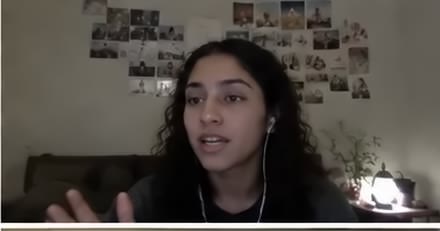
Example opponent on a video call

You get a chance to accept or decline. Both people must accept before the room opens.

Once you're in, check the question together and choose how you want to talk. Joining the queue doesn't automatically put you on a call.

Can we choose what to argue about?

Yes. The room gives you a starting question. Before the round starts, Debate something else lets you spin a new suggestion, draft one, or ask the judge to help you find a question you both want to take on.

You can also browse Topics for ideas before joining.

Do we take turns, or just talk?

Choose Start conversation for an open exchange with both microphones on, or Start timed speeches to take turns. The shared clock keeps you both on the same page.

In a conversation, you can cut in and respond as you go. With timed speeches, give the other person their turn.

Who decides who won?
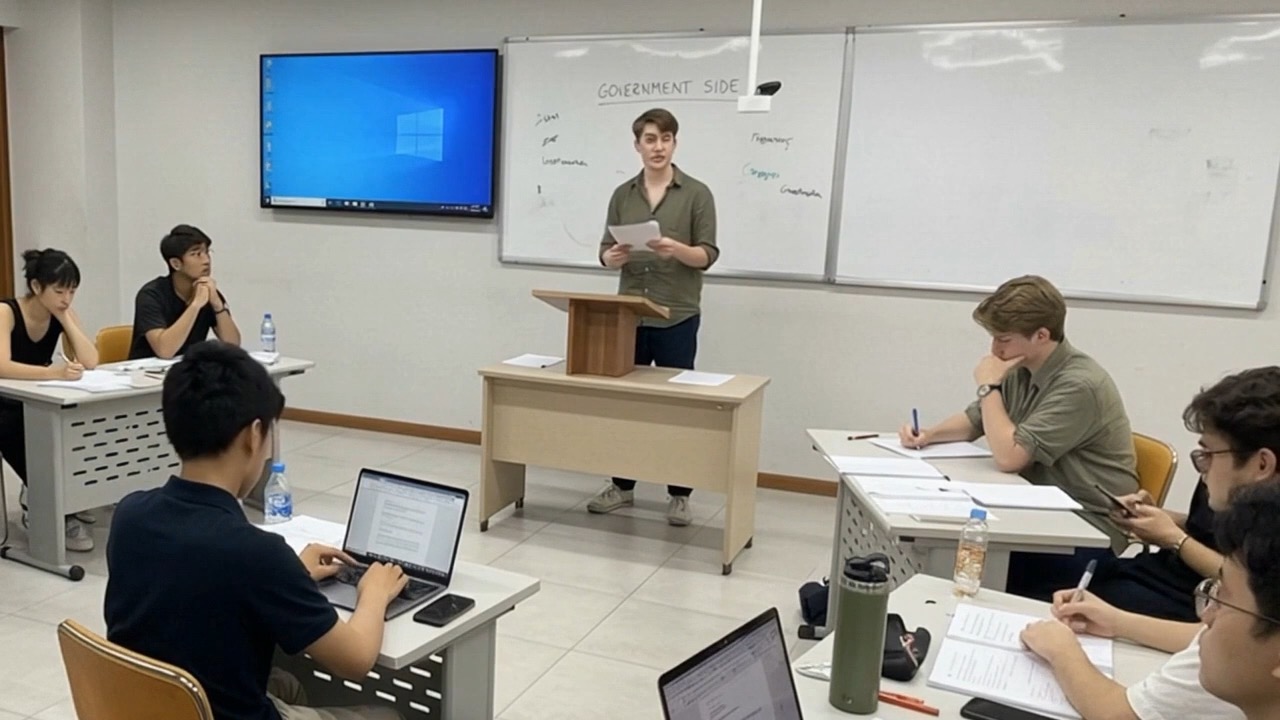
A round in progress

The AI judge weighs the arguments and responses captured in the round. Its written decision explains the result, scores each side out of 100, and points to what made the difference.

It can make mistakes. You can read the judging standards and appeal policy, then compare its reasoning with what was actually said.

A little more

Can I debate in another language?

Yes. Pick your language from the language control or the language hub and the whole product follows: AI rounds, the judge's ballot, and live rounds against real people.

In a live round your opponent does not need to speak your language. Your mic transcribes in your language, they read live-translated captions (or hear them read aloud), and the judge scores each speech in the language it was given. Spanish, Hebrew, Hindi, Arabic, Mandarin, Japanese, Korean, French, German and more.

Can I use Debatable on my stream?

Yes. Room Judge listens to your broadcast through browser screen capture. Ask for a live read during the discussion, then a written decision at the end.

Its compact view can sit in your stream layout. The Twitch setup guide covers getting connected.

Can my school get access?

Yes. Schools get one season license that covers the whole team.

See program access and pricing for the current price and how to get in touch.